
中文 | EN
Slide 1 Slide 2 Slide 3 Slide 4 Slide 5 Slide 5
Creative Kitchen

Parametric Design
Adjust parameters,processing,get result

    The so-called architectural parametric design is not as complex as the name sounds. For example, there is a 3m height difference between the first and second floors of a building. We need to set up a staircase, and give the numbers of steps, which will give the result ofdifferent step heights. For example, if the staircase requires 18 steps to reach the second floor, the height of each step is 166.67mm. If we change 18 steps to 20 steps, the height of each step is 150mm. This is a very simple example of parametric design. We adjust the number of steps from 18 to 20. The computer will calculate the height of each step according to the division formula, and the output result will change from 166.67mm to 150mm.

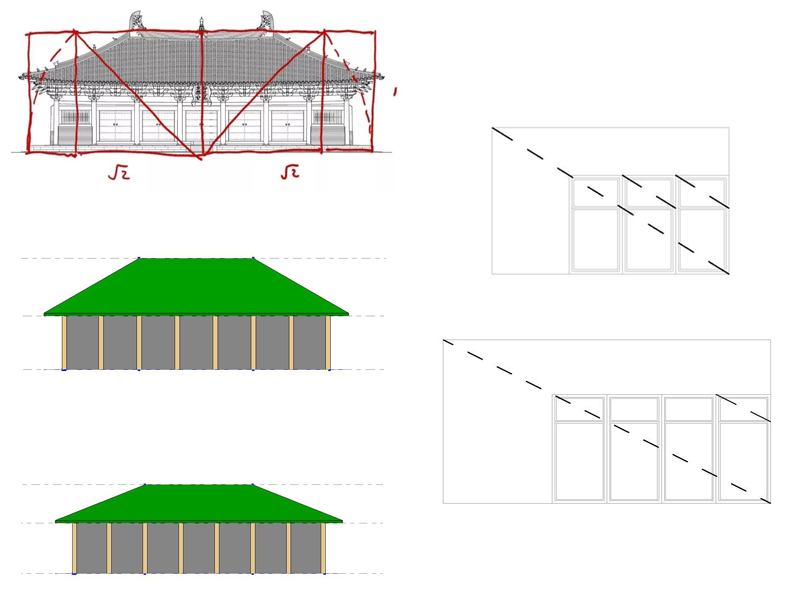
     Similarly, lt's look at the entire building itself, such as a temple on the left, the ratio of the building's height to half of the building width is 1: √2. This ratio is a very common ratio used in Japanese architecture and is called the silver ratio. The building itself can be regarded as a three-dimensional entity in space with its own geometric dimensions. The builing geometry has values ​​of length, width and height, and the mathematical relationship between them will form a ratio. By using the ratio,we can design the builing with a harmony method.

    Another example is to use ratio repeatedly to achieve a similar shape effect, such as the relationship between the wall and the doo s in the left picture. The length and height of the wall have a ratio, which we call "a" here. Similarly, several doors combined together will also have a total length and height. If we keep the same ratio, that is " a", we can form a similar shape effect. What's more, the upper part of the door also has a length and width. If we keep this ratio here again, the diagonal lines of the wall, doors , and the upper part of the doosr will be parallel, so that a similar shape effect can be formed by this method. Here, the number of door , doors' geometric dimensions such as height and width, and also the geometric dimensions of the wall can be adjusted by changing a few numbers. As weadjust the numbers,different effect or result comes ou . This is the practice of a parametric design method.

learn more
BIM
A building model with information

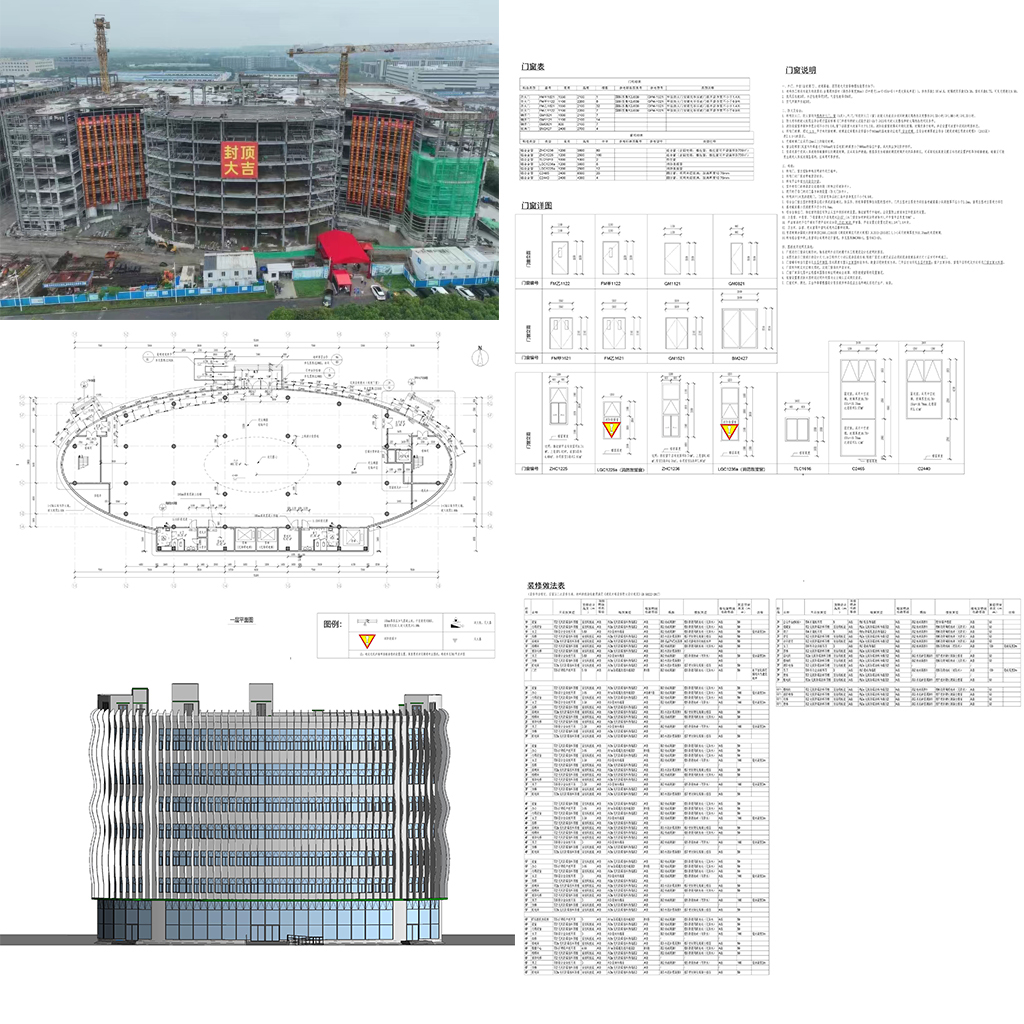
    The BIM model is a building model that contains information. With the development of computers, the architectural design industry has evolved from manual drawing to computer drawing. The literal meaning of CAD is Computer Aided Design. I'm not sure the computer really assisted design, but assisted drawing at least.The CAD software has completed the revolution of getting rid of the drawing board.

    Now, with the development of computer performance, the production of 2D drawings to 3D models has changed again. A BIM model, which generates drawings from the model and count the door and window for a diagram for example is more accurate. It ensures data consistency and avoids the situation where the floor plan, elevation, section, and door and window diagram do not match. Secondly, because any information can be added, it essentially forms a database of the building.

    At the same time, I think BIM technology should not only stay in the design phase. Although I have worked in a large design company for many years, I think BIM technology should serve the entire life cycle of a building, including construction and post-construction operation and maintenance. When some information about building components is given, such as model, specification, material, price, manufacturer, purchase date, warranty date, etc., it can be better managed. Traditional people use Microsoft Excel or even by hand and it's inconvenient to manage , and whether it is manual paper or electronic spreadsheets, the association with physical components may not be accurate. Even with screenshots, it is not intuitive enough. The three-dimensional information model gives all building components an identity card and forms a database for intuitive finding and management.

learn more
Art Installation
Print Design

Dynamo and Automation
Create automated script to improve efficiency

    The essence of automated scripts is batch processing, which is to complete mechanized repetitive work in batches. We have all used the batch printing function of CAD, which allows you to print multiple drawings with one click. This avoids printing drawings one by one manually. The essential principle of what automated scripts/tools/plugins can do is the same.

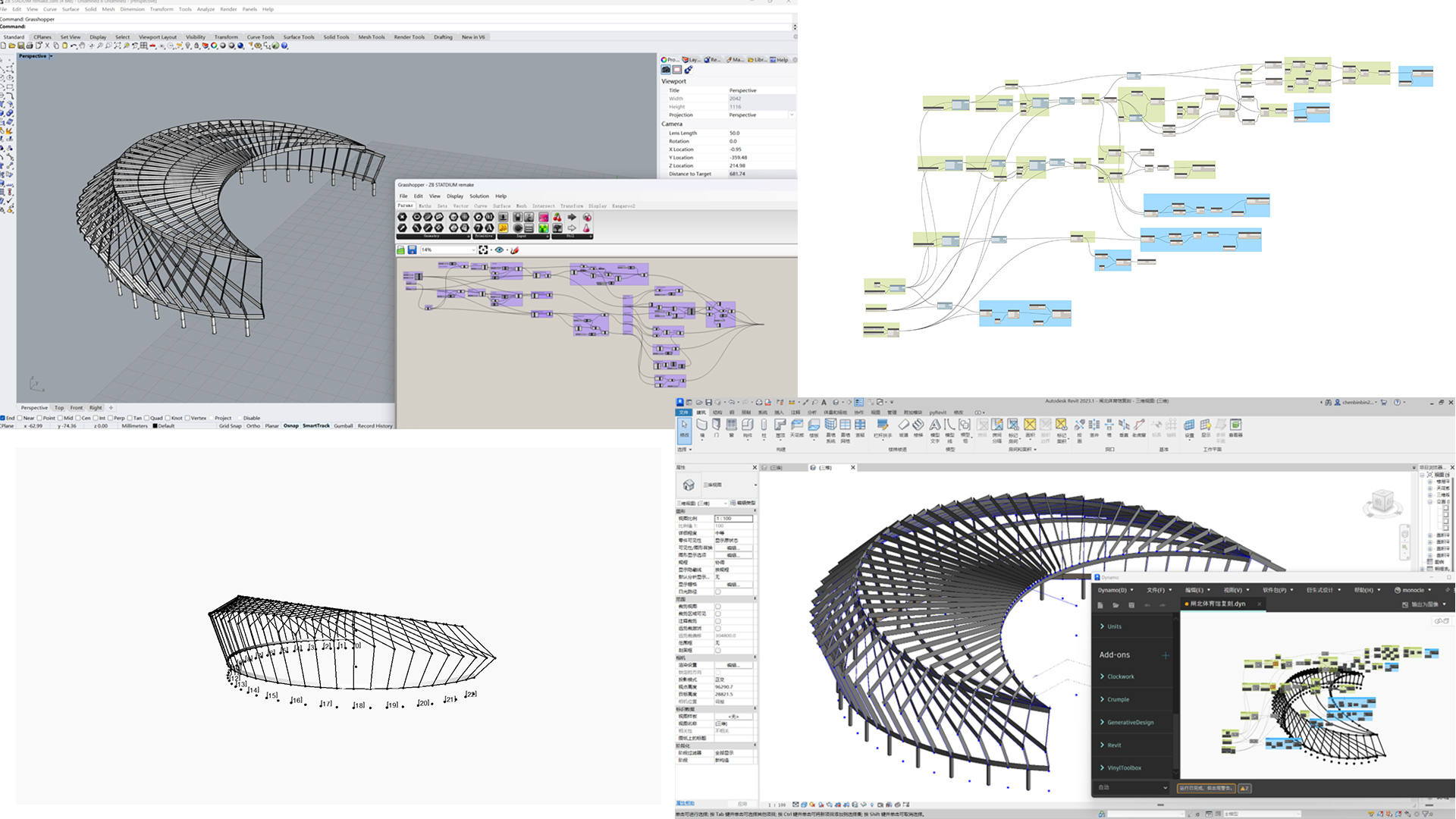
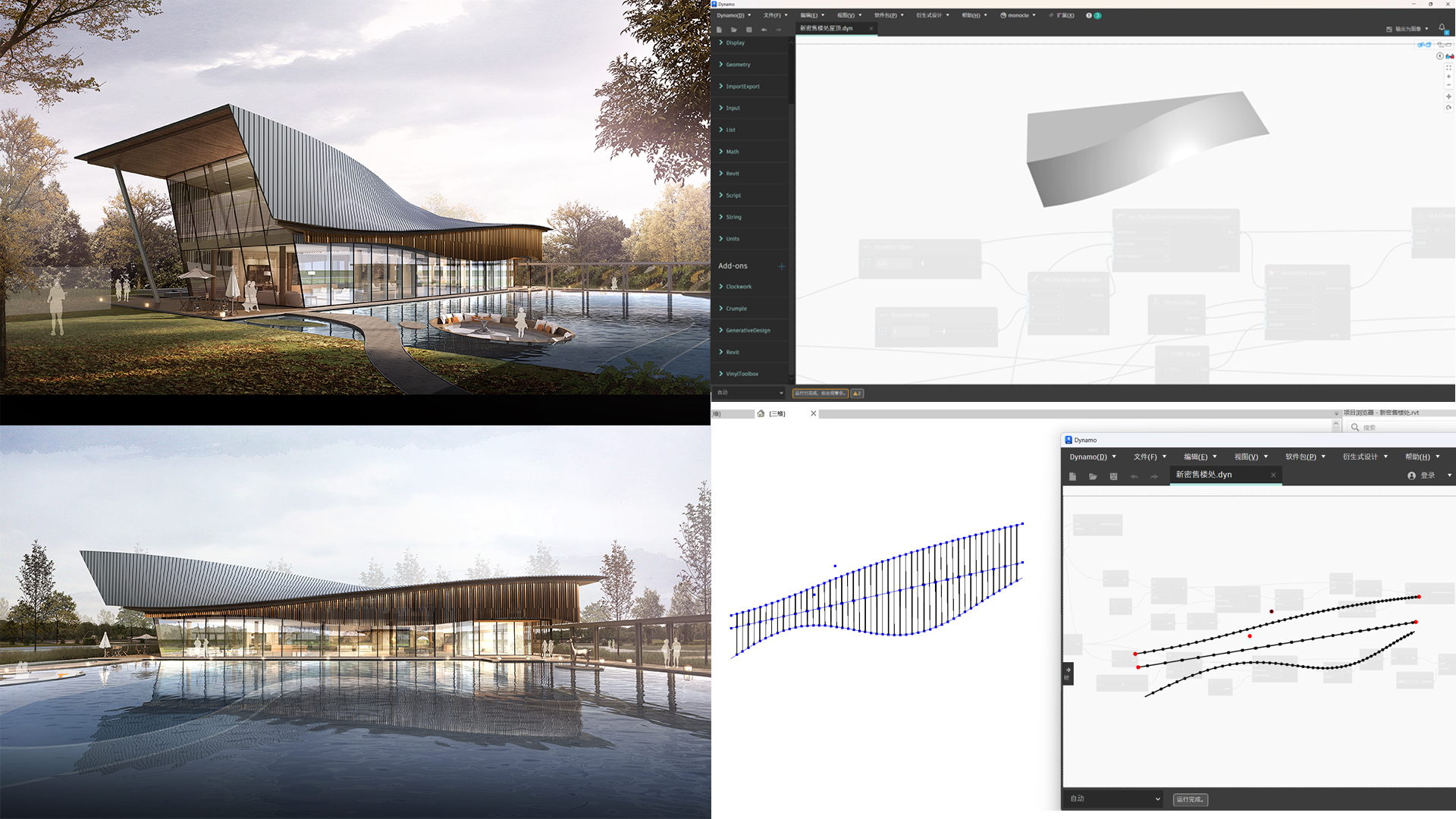
    In fact, parametric design is also a series of operations of adjusting parameters and letting the computer complete the modification of models and data processing according to the pre-designed program. These operations can be done manually, but it is time-consuming and laborious. Therefore, parametric design is to let the computer complete these "actions", thereby freeing up human labor to handle more valuable work content.

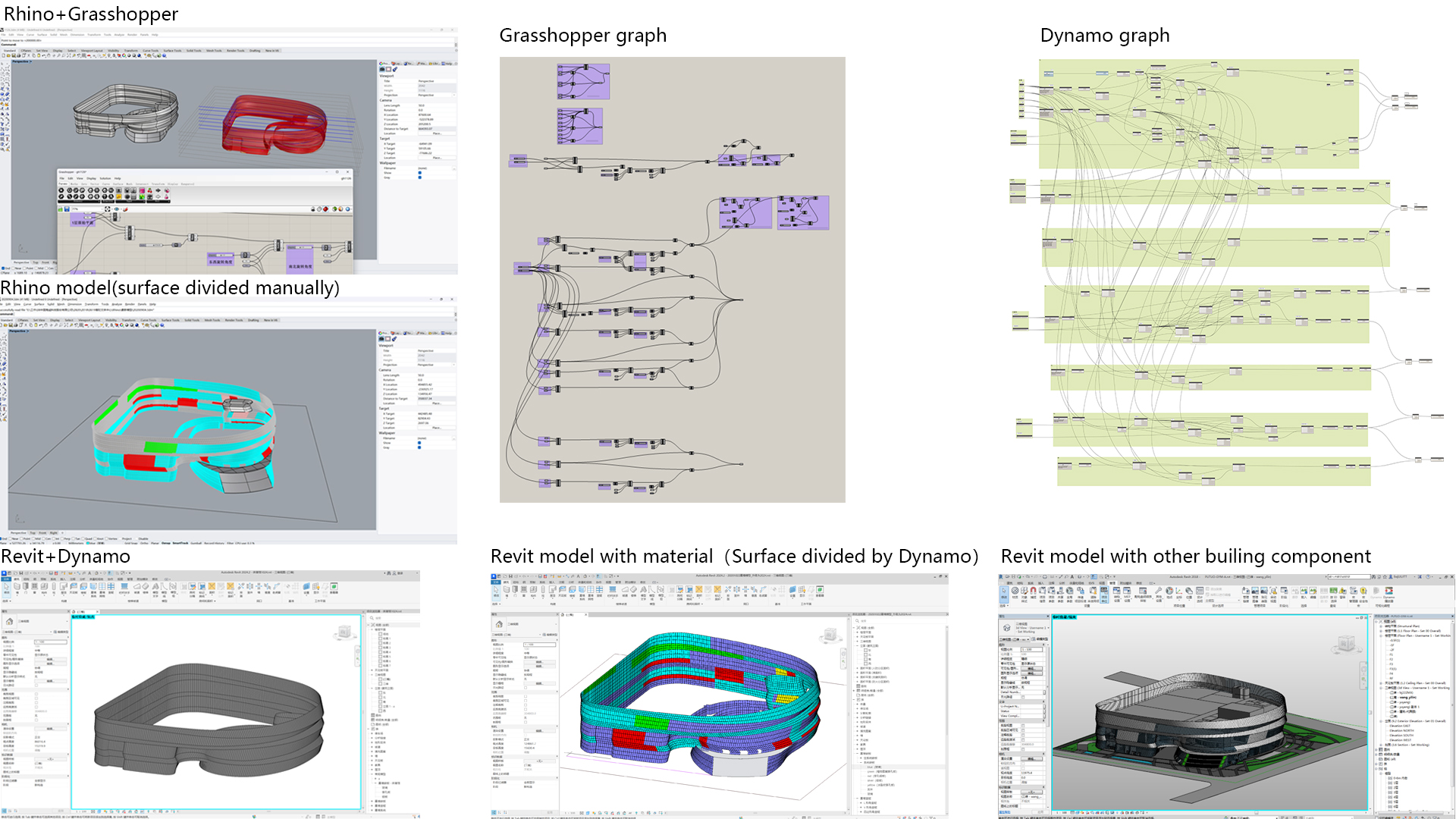
    As a tool, Dynamo has two uses. One is that it can only do what it does, such as processing complex geometric shapes in parametric design and completing accurate modeling. The other is to save time, click the mouse less, press the keyboard less, and combine several actions into one click, which can be completed by the computer.

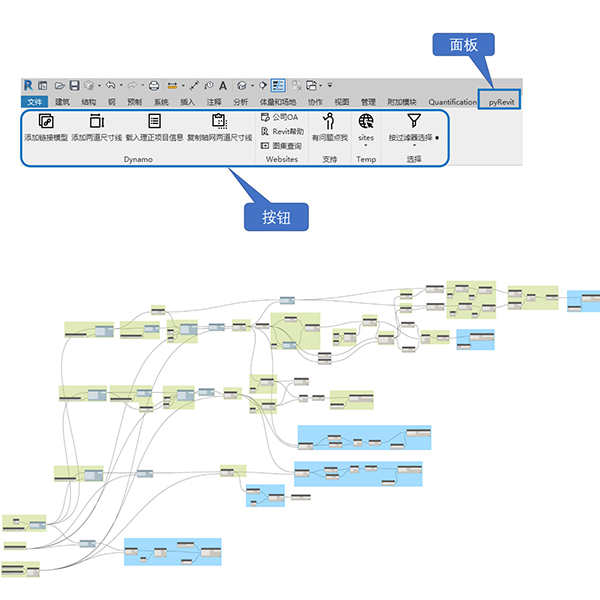
    At present, the automated tools I have completed using Dynamo include the conversion of 2D to 3D like making grids, columns, walls, rooms, doors and windows, floors, and roofs from CAD 2D drawings, as well as generating two dimension lines by selecting the grid, adding linked models in batches, copying dimension lines to multiple views, importing Excel data and then assigning it to Revit room properties, etc.  

learn more
Circle Image 1

参数化设计

Parametric Design

Circle Image 2

BIM

Buiding Information Modelling

Circle Image 3

Dynamo与自动化

Dynamo & Automation